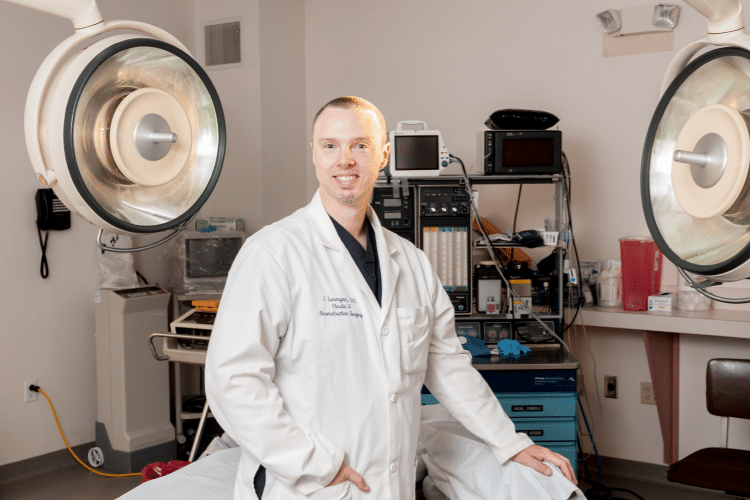
Board certified plastic surgeon Dr. Grady Core runs his practice, Core Plastic Surgery, in Birmingham, Alabama. Dr. Core is renowned in the field of plastic surgery for his contributions to minimally invasive (endoscopic) techniques for use in plastic surgery. Since co-developing endoscopic techniques in 1991, he has pioneered and advanced their application for the face, breast and body. Dr. Core, as
Read more...
Welcome to Aesthetic Plastic Surgery of Delaware, the premiere cosmetic surgery center in Wilmington, Delaware. Our Board Certified Plastic Surgeons provide superior results in face, breast and body contouring procedures to patients from Delaware, Pennsylvania, New Jersey, Maryland and beyond. Dr. deLeeuw is Board Certified in Plastic Surgery, has more than twenty years of experience and exclusively performs cosmetic procedures
Read more...
Featured
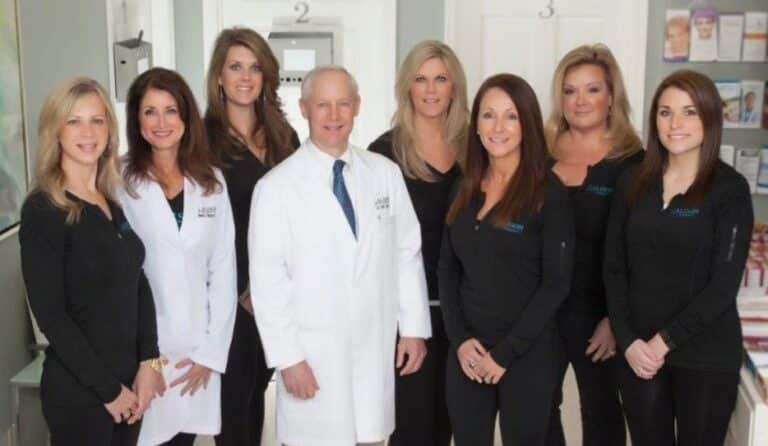
Allure Skin & Laser Center, where our top priority is providing you with the highest standard of skin care available. Located in Addison, Illinois, we are a medical spa offering quality care for patients of all ages, including children and adults. We work with each patient individually and take a team approach in determining the treatment that is best for
Read more...
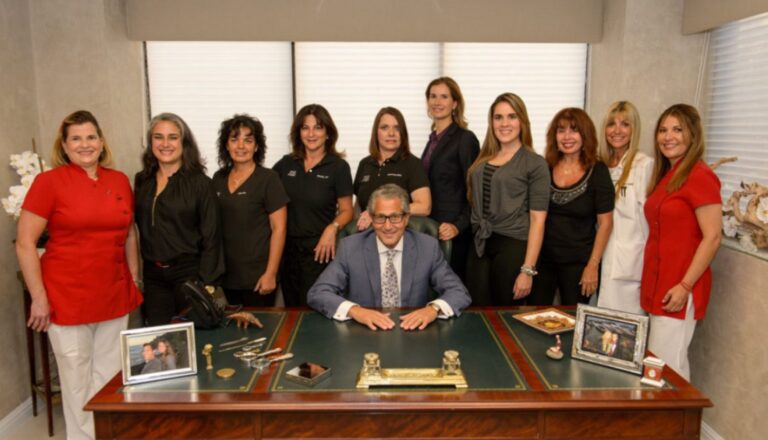
Maintaining an exclusive Plastic Surgery practice in Miami, Florida since 1985, Dr. Alan Serure has become one of the most sought after doctors for cosmetic surgery procedures. Personal treatment and individual attention are the hallmarks of his reputation. He is known locally and throughout the world for his artistic touch and attention to detail. Many patients travel to Miami to
Read more...
The Alison Wellness Clinic was born from a need I recognized as a successful plastic surgeon. Although my practice offered solutions for optimizing quality of life, my patients wanted more. At Alison Wellness Clinic, we will be able to meet that need. We will provide personalized, medically supervised wellness, weight loss and anti-aging solutions that will take patients to a
Read more...
Dr. Andrew P. Trussler MD is an Austin plastic surgeon who is double-board certified by the American Board of Plastic Surgery and the American Board of Surgery with specialty training in cosmetic surgery. He has been featured in numerous publications including the Consumer’s Research Council’s “Guide to America’s Top Surgeons” and was recently included in Marquis’ “Who’s Who in the
Read more...
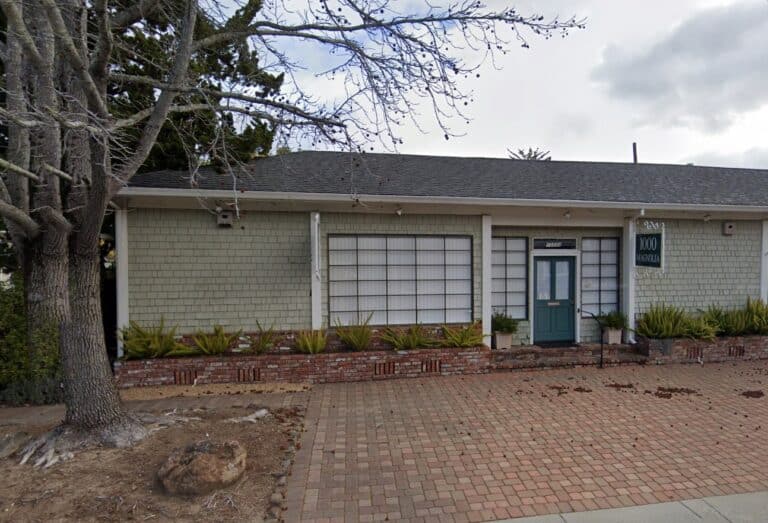
Aura Skin Spa Medical Corporation is a premiere San Francisco medical spa located in the historic Jackson Square neighborhood adjacent to the heart of the city’s financial district. Aura Skin Spa’s state-of-the-art facility provides laser treatments for skin rejuvenation, skin tightening, laser-assisted liposuction and body contouring using the newest generation of lasers and energy devices available on the market. Aura
Read more...
At the Barber Center for Plastic Surgery in Greensboro, NC, our patients are our #1 concern. We provide the following services and more in our state-of-the-art facility, including tummy tuck (abdominoplasty), buttock lifts, liposuction with Smartlipo, Ultrasonic and Tumescent liposuction, buttock lift, thigh lift and upper arm lift (brachioplasty). Dr. W. Byron Barber and his staff are eager to help you understand your options
Read more...
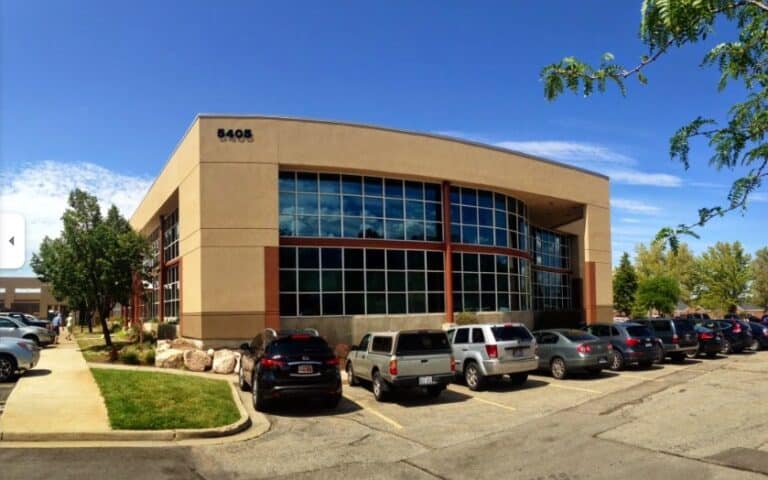
Board certified and highly experienced, Dr. Barnett is one of Utah’s most trusted plastic and reconstructive surgeons. But beyond his experience and credentials, Dr. Barnett and his team are dedicated to expert care when it comes to plastic surgery, and more importantly, your vision. From Utah breast augmentation and implants to liposuction, tummy tucks, facial enhancements and mommy makeovers, you
Read more...
Since its founding in 1997, the Bay Area Laser Cosmetic Surgery Center (BALCSC) has come to be known as one of the leading cosmetic surgery centers in the San Francisco Bay Area. Founder, Armen Serebrakian, M.D. runs one of the most comprehensive cosmetic treatment and surgical facilities, equipped with the latest in state-of-the-art laser and pulsed light equipment and technology.
Read more...
Additional resources – Find a doctor.